




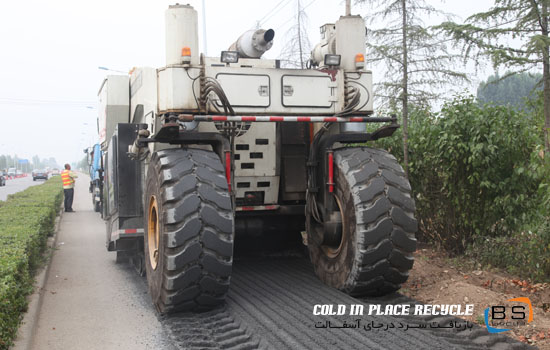
Cold in-place recycling (CIR) is the processing and treatment with bituminous and/or chemical additives of existing HMA pavements without heating to produce a restored pavement layer (AASHTO, 1998[1]). It involves the same process of cold plant mix recycling except that it is done in-place by a train of equipment.
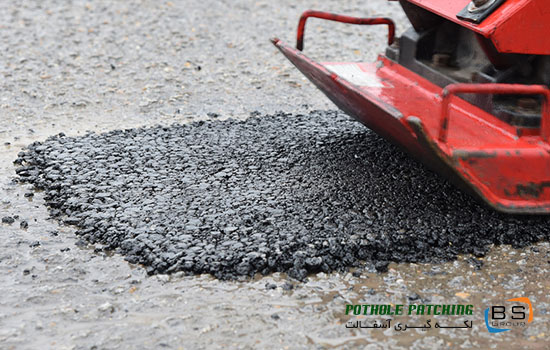
Patches are a common method of treating an area of localized distress. Patches can be either full-depth where they extend from the pavement surface to the sub grade or partial where they do not extend through the full depth of existing pavement .
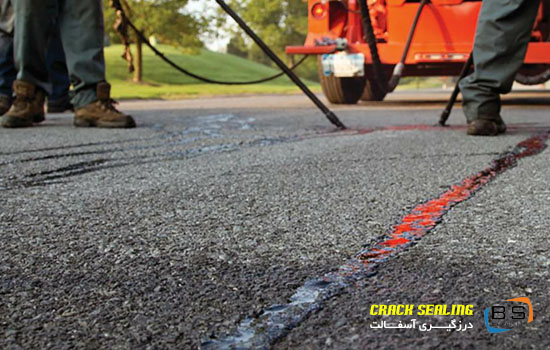
Crack seal products are used to fill individual pavement cracks to prevent entry of water or other non-compressible substances such as sand, dirt, rocks or weeds. Crack sealant is typically used on early stage longitudinal cracks, transverse cracks, reflection cracks and block cracks.
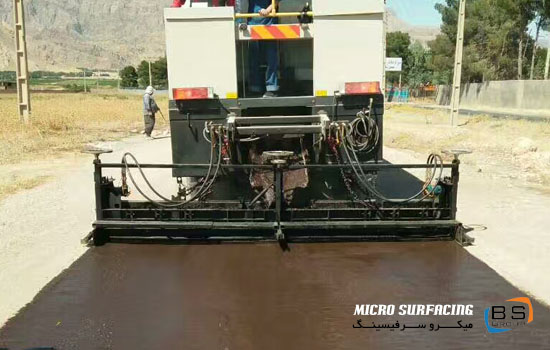
A slurry seal is a homogenous mixture of emulsified asphalt, water, well-graded fine aggregate and mineral filler that has a creamy fluid-like appearance when applied. Slurry seals are used to fill existing pavement surface defects as either a preparatory treatment for other maintenance treatments or as a wearing course.
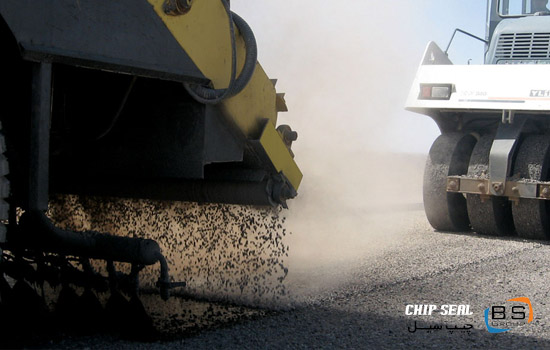
A Chip seal or bituminous surface treatment (BST), also known as a seal coat or chip seal, is a thin protective wearing surface that is applied to a pavement or base course. BSTs can provide all of the following:
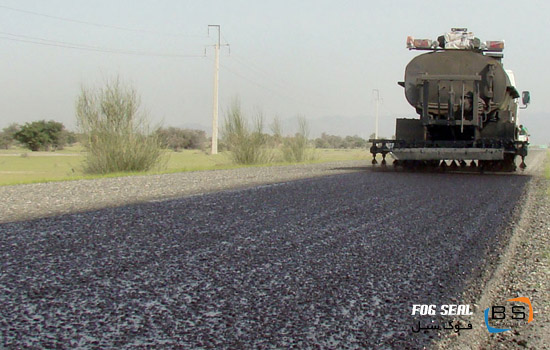
A fog seal is a light application of a diluted slow-setting asphalt emulsion to the surface of an aged (oxidized) pavement surface. Fog seals are low-cost and are used to restore flexibility to an existing HMA pavement surface.